SpaceX turns down military contracts as Spanish rocket maker hits integration milestone
Elon Musk’s company declined three US Space Force offers, while PLD Space confirmed its Miura 5 is ready for final testing ahead of a 2027 debut.
By Juan Gonzalez ·
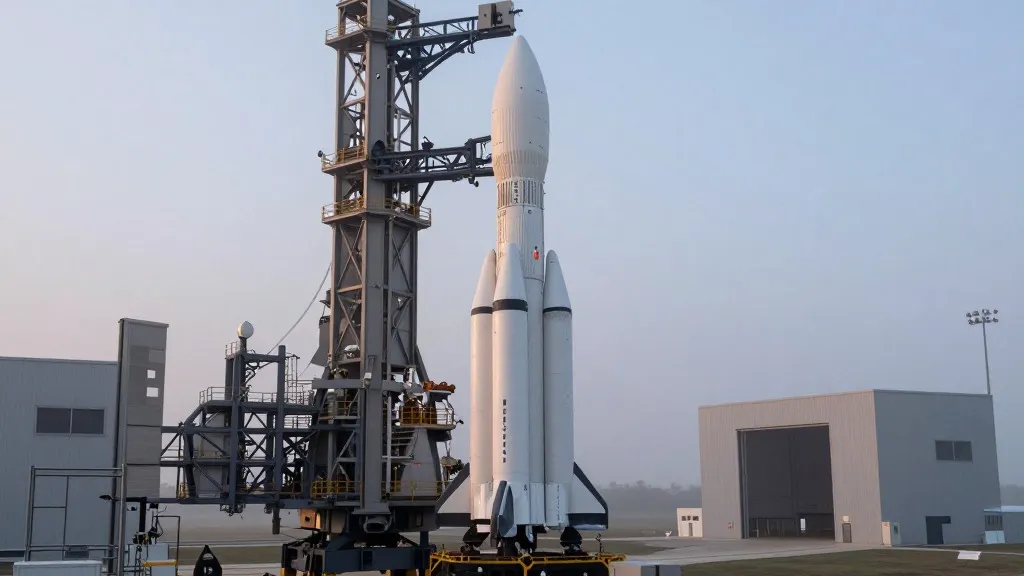
SpaceX has officially declined three launch contracts offered by the US Space Force, marking a notable shift in its relationship with the military sector. The decision, announced this week, signals that the company is prioritizing its current workload over immediate government opportunities. This move comes at a time when the firm is heavily focused on its own civil space initiatives and internal development goals.
The rejection of these military contracts was described as a strategic choice to manage capacity. While the US Space Force had presented three specific opportunities for launch services, SpaceX opted to pass on them for now. This decision reflects the company’s continued emphasis on its Starship program and other core projects, rather than expanding its commercial and military footprint in the short term.
In parallel with the contract news, a NASA safety panel provided new details regarding the Starship vehicle’s lunar mission requirements. The panel indicated that the rocket may need up to 22 orbital refueling operations to support a successful landing on the Moon. This high number of refuelings underscores the complexity and scale of the infrastructure required to make the lunar mission a reality, highlighting the significant engineering challenges still ahead for the team.
Meanwhile, in Europe, PLD Space is making significant progress with its Miura 5 small-lift rocket. The company recently reported that the vehicle is nearing final integration, with a target first flight set for before mid-2027. PLD Space has already manufactured three units of the Miura 5, using two of them to qualify key system elements and refine production processes. CEO Raúl Torres noted that building these vehicles allowed their teams to apply lessons learned from qualification campaigns directly to the launch vehicle.
Torres emphasized that the continuous production workflow has been beneficial for the team’s efficiency. Currently, one Miura 5 second stage is fully integrated and undergoing system-level testing under realistic operating conditions. This stage is located at PLD’s test facility in Teruel, Spain, where it is preparing for critical qualification steps, including a wet dress rehearsal and a static hot-fire test. These tests are essential to verify the vehicle’s readiness for its inaugural launch next year.
Across the Atlantic, Canadian startup Reaction Dynamics is looking to expand its operations significantly. The company is seeking to raise $350 million in new funding to grow its workforce from 68 to over 350 employees. This capital injection is intended to support the development of its Aurora small-lift rocket, which the company hopes will reach orbit by 2028. Reaction Dynamics is one of three prominent launch startups in Canada aiming to establish a competitive presence in the space industry.
Beyond the Aurora, Reaction Dynamics has also outlined plans for a medium-lift rocket called Borealis. The company aims to have the Borealis make its debut by 2031, which would mark a major expansion of its capabilities in the launch market. This multi-stage approach allows the company to build a diverse portfolio of vehicles, catering to different payload sizes and mission requirements as the industry grows.
The coming weeks will be crucial for both SpaceX and its competitors. For SpaceX, the focus remains on validating the Starship refueling process, which is a bottleneck for lunar missions. For PLD Space, the success of the Miura 5’s static fire test in Teruel will determine if the 2027 launch timeline holds. Meanwhile, Reaction Dynamics’ fundraising efforts will dictate the pace of its Aurora development and its ability to meet its 2028 orbit target.
Source: Ars Technica