2028: The New Target for a Human Return to the Moon
NASA has finalized a revised timeline and technical approach for sending astronauts to the lunar surface, resolving key engineering hurdles with its private partners.
By Jian Chen ·
For Americans watching the space program, the clock is now ticking toward a specific date. NASA has confirmed its goal of landing astronauts on the Moon as early as 2028. This is not just a vague hope; it is a targeted milestone for the Artemis IV mission. The agency believes it can pull this off because it has removed significant technical roadblocks that previously slowed progress. The focus is now on execution rather than design.
The core of this update is a major shift in how NASA works with its two main contractors: SpaceX and Blue Origin. During a lengthy news conference on Friday, officials laid out these new architectural changes in detail. This was the first time the agency publicly acknowledged these substantial shifts. The new plans simplify the logistics of getting humans to the Moon. By changing where spacecraft meet and how they refuel, NASA aims to reduce risk and save time. The goal is a smoother path to the lunar surface.
The changes are most visible in the SpaceX plan. Engineers at SpaceX asked NASA to drop a difficult requirement in early 2026. That requirement was to dock with the Orion spacecraft in a specific orbit around the Moon. This orbit, known as a near-rectilinear halo orbit, demanded excessive energy and presented other engineering challenges. With the earlier decision to cancel the Lunar Gateway project, that complication is gone. Now, the Orion spacecraft will dock with the Starship lunar lander in high-Earth orbit. From there, the combined vehicles will travel to the Moon. This is a more direct and efficient route.
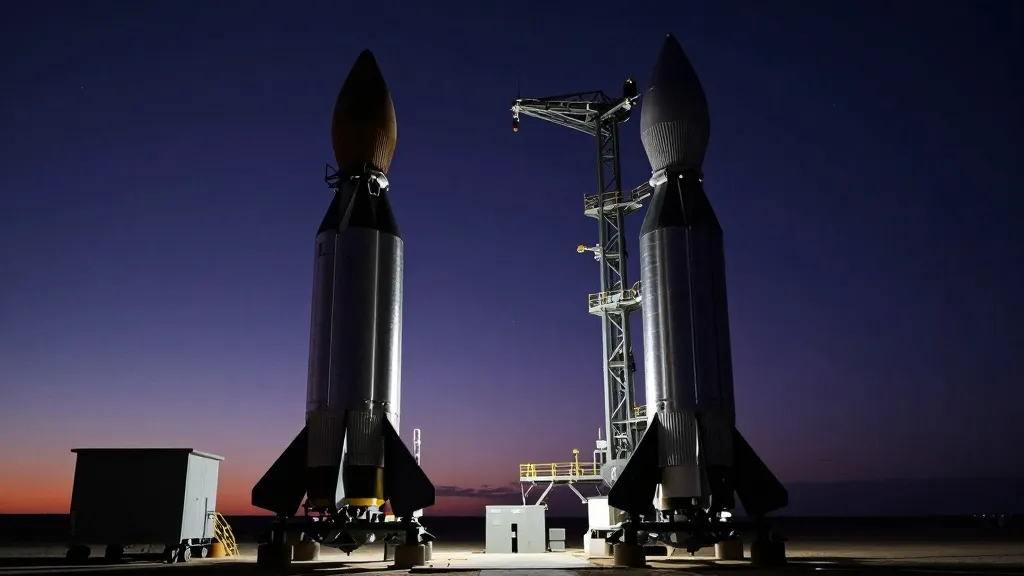
Blue Origin has a different approach in the updated architecture. The plan for its Blue Moon lander involves four launches of the New Glenn rocket. Crucially, this path does not require spacecraft-to-spacecraft refueling in space. This simplifies a complex operation that has plagued previous lunar plans. Additionally, the Blue Origin design allows for a rendezvous in low-Lunar orbit. The Blue Moon lander could meet the Orion spacecraft there. This flexibility gives the agency more options for how the mission unfolds.
NASA remains committed to the immediate next steps. Officials stated they still expect to launch Artemis III by summer 2027. This mission is a critical demonstration. It will involve docking with both the Blue Moon and Starship landers near Earth. It serves as a dress rehearsal for the final landing. If this goes well, it paves the way for the 2028 launch of Artemis IV. That mission is the one that will actually put boots on the Moon. The agency is treating these dates as firm targets, not just aspirational goals.
NASA Administrator Jared Isaacman emphasized the agency’s readiness. He said the path is achievable. "We have the mandate, we have the resources, and the support from our stakeholders to be able to execute, and that’s what we intend to do," Isaacman said. He stressed that the leadership team has reviewed every element of the program. They have made changes where they help the lunar lander companies accelerate their work. The tone is one of confident pragmatism.
However, questions remain about whether these dates can hold. Space missions are notoriously difficult to pin down. While the technical hurdles have been addressed, the schedule is tight. The success of the 2027 demonstration will be the first major test. If Artemis III slips, the 2028 landing date may face pressure. The agency has acknowledged the challenges but believes the new architecture provides enough buffer.
For now, the focus is on the next eighteen months. The industry and NASA are moving toward the summer 2027 window. The cancellation of the Lunar Gateway was a painful decision, but it has clarified the path forward. By simplifying the docking and refueling requirements, NASA has given its partners a clearer target. The question now is whether the hardware can perform as predicted on this accelerated timeline.
Source: Ars Technica